Video content is taking over the digital world, and brands that ignore this shift risk falling behind.
Social media video is now the centerpiece of every major platform, pushing brands to rethink how they engage and inspire their audiences. Static images and text just can’t compete in crowded feeds.
To stand out, your brand needs creative, fresh video ideas that spark connection and drive real results. The competition is fierce, and only those willing to innovate will thrive.
So, I’ll show you 8 actionable social media video strategies you can use today, complete with real-world examples and expert tips to help you future-proof your content approach.
8 social media video ideas to boost your brand
Looking for actionable ways to elevate your brand’s social media video strategy in 2026? Here are 8 innovative ideas that cut through the noise and drive real results:
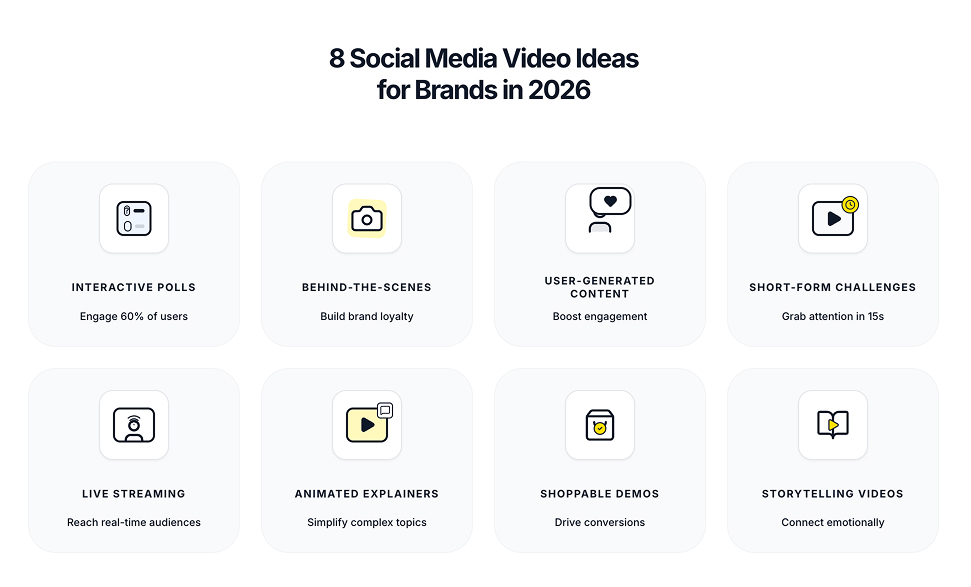
1. Interactive polls & quizzes videos
You can turn passive viewers into participants via polls, quizzes, and other “choose your own adventure” formats that invite viewers to do more than just watch.
Thankfully, there are platforms that come with features like those, including Instagram, TikTok, and YouTube. When used, these features hold your viewers’ attention longer.
- What it is—videos with built-in polls, quizzes, or choice-based prompts;
- Why it works—interaction boosts watch time and algorithm priority;
- How to use it—product preference polls, quick industry quizzes, ‘vote what happens next’.
Use platform-native tools and keep questions stupidly simple. If people have to think too hard, you’ve lost them.
HubSpot’s video marketer survey reported interactive content as delivering ROI for 52% of respondents (ranked 4th among video types in that dataset).
Source: Hubspot
2. Behind-the-scenes (BTS) & day-in-the-life videos
Highly polished brand videos are everywhere, which is exactly why audiences are becoming numb to them. What cuts through instead is content that feels human, imperfect, and unscripted.
Behind-the-scenes and day-in-the-life videos show how work actually gets done, who’s involved, and what happens between launches, which is transparency that builds familiarity.
- What it is—raw clips from your workspace, team routines, or prep moments;
- Why it works—authenticity outperforms perfection;
- How to use it—office moments, launches, failures, wins.
If it feels slightly uncomfortable to post, you’re doing it right.
Wistia reports that company culture and educational videos (up to ~5 minutes) “held strong”, with viewers watching “about halfway through” (benchmark framing, not a hype-lift claim).
Source: Wistia
3. User-generated content (UGC) & customer spotlight videos
Brand-created video explains value, but customer-created video proves it. That distinction matters more than ever as buyers rely on social proof from others before taking action.
User-generated content and customer spotlight videos let real customers demonstrate outcomes, not promises. The result is instant credibility and a much shorter trust-building cycle.
- What it is—reposts of customer videos, reviews, or unboxings;
- Why it works—people trust people, not brands;
- How to use it—hashtag campaigns, customer shoutouts, testimonials.
UGC scales trust faster than any ad budget ever will.
Visual UGC boosts purchase likelihood: 91% say they’re more likely to buy when reviews include photos/videos + text.
Source: PR Newswire
4. Short-form challenges & trend participation videos
Social platforms don’t reward originality alone. They reward relevance in the moment. Trends and challenges act as built-in distribution engines when brands know how to use them properly.
Short-form trend participation videos allow your brand to tap into existing attention streams while adding your own angle. Done right, they expand reach far beyond your current follower base.
- What it is—trend-based videos using viral audio or formats;
- Why it works—platforms reward cultural relevance;
- How to use it—adapt trends to your product or niche fast.
Speed beats polish here. Late trends are dead trends.
HubSpot reports 21% of marketers say short-form video delivers the highest ROI (with live streaming also ranking, but lower).
Source: HubSpot
5. Live streaming & real-time Q&A videos
Audiences are increasingly skeptical of edited, controlled brand narratives. Live video removes that barrier by showing up in real time, without filters or retakes.
Live streams and Q&A videos create urgency and immediacy, encouraging viewers to engage while the moment is happening, which is great for building stronger relationships.
- What it is—live product demos, AMAs, launches, or tutorials;
- Why it works—real-time interaction builds trust;
- How to use it—scheduled Lives with audience questions.
One strong live session can outperform ten pre-recorded videos.
Wistia’s 2025 report says professionals attribute success strongly to product videos, webinars/live streams, and educational videos.
Source: Wistia
6. Animated explainer & educational videos
Complex ideas lose audiences quickly when they’re explained with text-heavy posts or overly technical language. Video simplifies understanding by combining visuals, motion, and narration.
Animated explainer and educational videos turn abstract concepts into clear, digestible stories. This makes them ideal for teaching, onboarding, and product education across social platforms.
- What it is—short animated or motion-based explainers;
- Why it works—visual learning improves retention;
- How to use it—product flows, ‘how it works’, quick lessons.
If you sell anything technical, this is non-negotiable.
Wistia: viewers watched 82% of a how-to video under one minute, and over 50% for how-to videos between 1 and 30 minutes.
Source: Wistia
7. Shoppable & product demo videos
Social media excels at discovery, but friction often kills conversion before it happens, so every extra step between interest and checkout increases drop-off.
Shoppable videos remove that friction by letting viewers explore and purchase directly from the video. They transform social media from a branding channel into a measurable revenue driver.
- What it is—videos with in-video shopping or product tags;
- Why it works—shortens the path from interest to purchase;
- How to use it—close-ups, demos, before/after clips.
Every extra click is a chance to lose the sale.
63% of YouTube viewers say they bought from a brand after seeing it on YouTube (survey-based, multi-market study).
Source: YouTube
8. Storytelling & Brand Mission Videos
Most brands talk about what they sell. Few clearly communicate why they exist or what they stand for, which puts customers at ease and brings them closer.
Storytelling and brand mission videos shift the focus from products to purpose. By sharing real motivations, values, and impact, these videos create emotional attachment that lasts forever.
- What it is—mission, origin, or impact-driven stories;
- Why it works—emotion fuels sharing;
- How to use it—founder stories, customer journeys, brand beliefs.
Remember: Products compete. Stories stick.
Why social media video posts dominate?
Businesses that embrace social media video easily capture attention, spark conversations, and convert followers into loyal customers as modern users consume that type of content the most.
The rise of video-first platforms
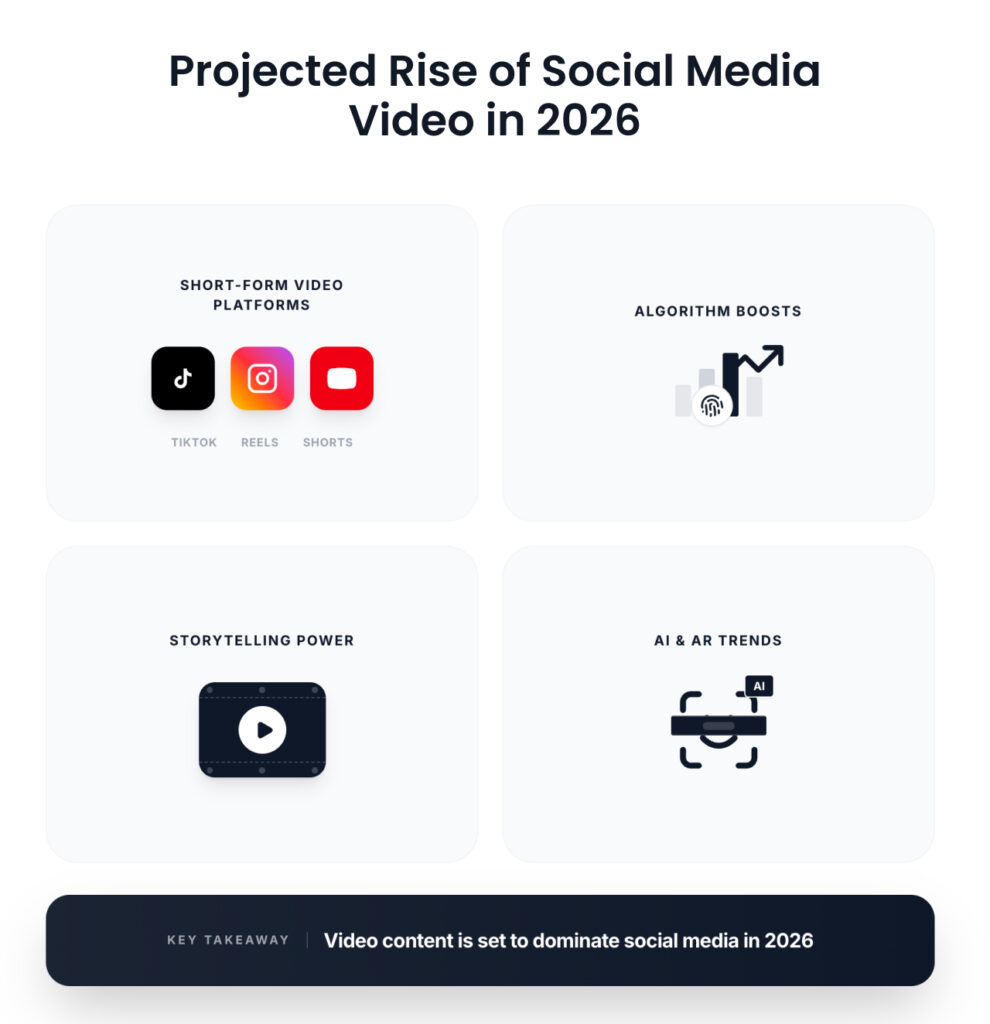
Platforms like TikTok, Instagram Reels, and YouTube Shorts are redefining how consumers discover and engage with brands. Short-form, vertical social media video is the fastest-growing content type.
In fact, by 2027, video content will account for almost 80%, signaling that visual storytelling is the new default. Comparing that fact with the fact that 64% of consumers are more likely to buy after watching a brand video, the video’s impact on conversions is undeniable.
This surge is fueled by shifting user behaviors. People crave quick, engaging content that fits their on-the-go lifestyles. Brands that invest in social media video see higher conversion rates and longer audience retention, which translates into real business growth.
Algorithm changes and platform priorities
Social platforms are now prioritizing social media video within their algorithms, which means videos are featured prominently in feeds and search results, thus increasing organic reach for brands.
For example, when Instagram pivoted toward Reels, brands that adopted video content quickly saw a boost in visibility and unlocked new audiences on the platform.
The power of video storytelling
Social media video enables brands to connect with audiences on a deeper level. Via its dynamic visuals, music, and engaging narration, brands can quickly convey complex messages and build trust.
Consider GoPro’s user-generated content campaigns or Apple’s polished product demos. These are social media video examples that show how video storytelling can transform ordinary marketing into memorable brand experiences, fostering loyalty and sparking shares.
Future trends: AI, AR, and interactivity
Looking ahead, AI-powered video creation tools are lowering barriers for brands of all sizes. Now we have AI-enhanced automated editing, translation, and personalization, making it easier than ever to produce compelling social media video at scale. You don’t even have to be a video editor!
Meanwhile, interactive and shoppable UGC videos, along with AR filters and effects, are driving deeper engagement for customers looking to buy anything from clothes to sofas. Social media video is becoming more participatory, inviting users to join the story rather than just watch passively.
So, you see, to stay competitive in 2026, brands must make social media video the heart of their content strategy. That means keeping up with platform trends and algorithm changes, and also embracing innovative formats like interactivity and AR. By doing so, brands can ensure their message resonates and stands out in a crowded digital world.
How to craft high-impact social media videos in 2026?
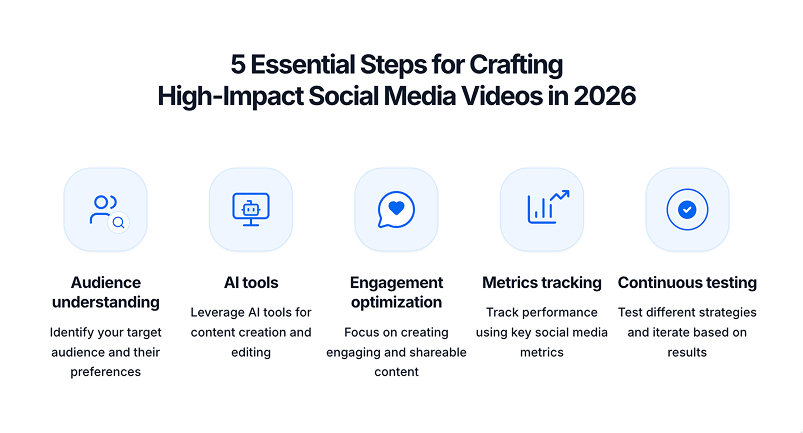
Creating high-impact social media video content in 2026 means more than just hitting record. It takes a blend of strategy, technology, and creativity to break through the noise and truly connect with your audience. Let’s explore five essential steps to help your brand’s social media video stand out, drive engagement, and deliver measurable results.
Understanding your audience & platform nuances
Every social media video should start with a deep understanding of your audience. Who are they? What content keeps them watching? Analyze demographics, interests, and behaviors for each platform. TikTok users often crave humor and fast-paced clips, while LinkedIn viewers expect professional, informative content.
Tailor your social media video format and length to match platform expectations. For example, Instagram Stories and Carousels offer unique ways to share bite-sized content or step-by-step guides. If you want to maximize reach and engagement, check out these Instagram carousel and story posts for actionable tips and creative inspiration.
Use analytics tools to monitor what works. Test different visuals, captions, and posting times. The more you know your audience, the more likely your social media video will hit the mark.
Leveraging AI & automation for video creation
AI-powered tools are transforming how brands create social media video content. Platforms like Canva’s Magic Video and Lumen5 can automate editing, generate captions, and even suggest on-brand visuals. This technology saves time and enables teams of all sizes to produce professional videos quickly.
For global brands, AI-driven translation and localization open new markets. Automated workflows let you repurpose content across platforms with minimal effort. Imagine personalizing hundreds of social media video ads in minutes—AI makes it possible.
Experiment with AI features, but always review the final cut for brand consistency. Combining automation with a human touch ensures every social media video feels authentic and relatable.
Optimizing for engagement & conversion
Capturing attention is critical, especially in a crowded feed. Hook viewers in the first two seconds with bold visuals, intriguing questions, or surprising facts. Use captions so your social media video makes sense even without sound.
Interactive elements like polls, quizzes, and shoppable links boost participation and drive conversions. Always include a clear call to action, whether it’s “swipe up,” “shop now,” or “join the conversation.” Use A/B testing to refine different creative approaches and maximize ROI.
Remember, an engaging social media video is both visually compelling and action-oriented—keep it short, sharp, and valuable.
Measuring success: Key metrics to track
Success starts with tracking the right data. Focus on metrics like engagement rate, watch time, shares, and conversion rates. These numbers reveal what resonates with your audience and guide future improvements.
Set benchmarks for each campaign. Use native analytics tools or third-party dashboards to gather insights. Compare performance across platforms to identify where your social media video strategy is working best.
Regularly review and report on these metrics. Small tweaks, guided by data, can lead to significant growth in reach and impact.
Staying ahead: Testing, learning, and iterating
The social media video landscape is always changing. Stay agile by experimenting with new formats, features, and trends. Monitor audience comments and social listening tools to gather feedback.
Try out new ideas, but don’t be afraid to pivot if something isn’t working. Encourage team brainstorming sessions to spark creativity and keep your content fresh. The brands that thrive are those willing to learn, adapt, and innovate with every social media video they produce.
Real-world brand examples: Video success stories for 2026
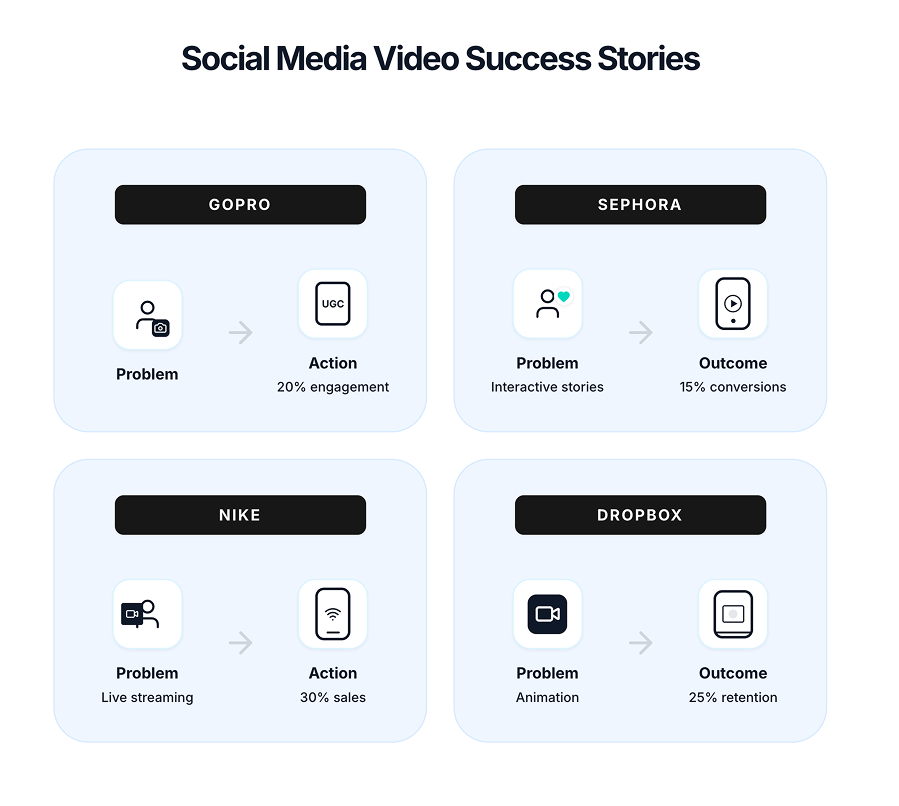
Social media video is driving real, measurable impact for brands across industries. By learning from proven leaders, you can adapt these winning strategies to your own campaigns and maximize your ROI in 2026.
GoPro: Building Community with UGC
GoPro needed powerful content to showcase product versatility and connect with a global audience. The team launched user-generated content contests, encouraging customers to share real adventure footage as part of their social media video strategy.
This authentic approach generated a wave of submissions, creating a thriving brand community. The outcome was increased loyalty, viral reach, and a steady stream of content that felt more genuine than traditional advertising. For brands seeking inspiration, see these video testimonial examples and tips for practical ways to spark UGC.
Sephora: Driving engagement with interactive stories
Facing low engagement on static posts, Sephora turned to interactive social media video formats like Instagram polls and quizzes. By inviting followers to vote on products and share preferences, Sephora transformed passive viewers into active participants.
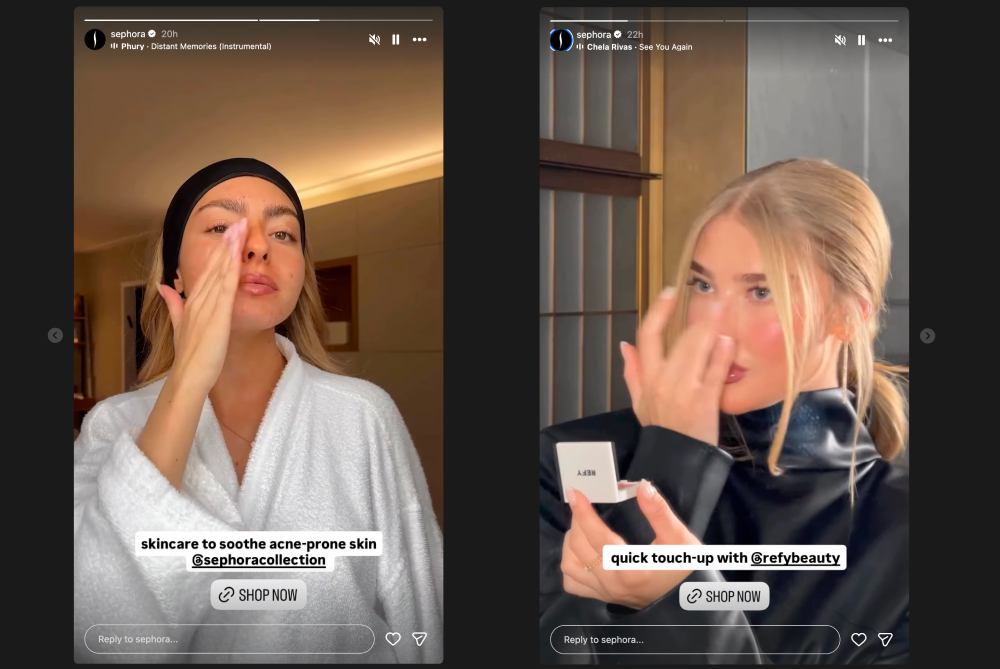
The action led to higher story completion rates and valuable insights for product development. This shift to interactive video not only increased reach but also deepened the relationship with their audience, showing the power of two-way communication.
Nike: Connecting live with audiences
SNKRS Live is an interactive, real-time streaming feature within the Nike SNKRS app designed to give members exclusive access to sneaker drops, behind-the-scenes content, and insider information. The live sessions feature product showcases (such as the SNKRS Showcase), Q&As with designers, and community interaction, allowing users to ask questions and participate in polls.
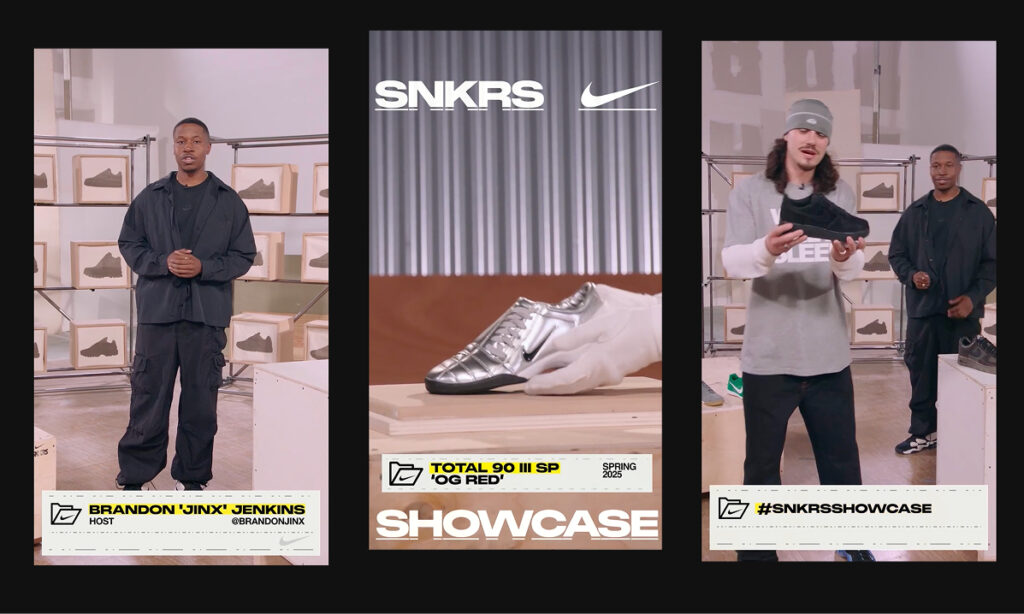
These live streams allow Nike to engage directly with viewers, answer questions, and create buzz in the moment.
The result is boosted participation, longer watch times, and a stronger sense of belonging among fans, proving that live video fosters genuine community.
Dropbox: Simplifying tech with animation
Dropbox faced the challenge of explaining complex cloud services to a non-technical audience. The solution was to create animated explainer videos as part of their social media video content mix. Including the founder Drew Houston making funny presentations and simplifying the way people can sue the product
These clear, concise videos demystified features and made onboarding easier for new users. The outcome is increased user understanding, smoother adoption, and industry-wide recognition for making technical topics accessible.
Social media video tools to use in 2026
Choosing the right tools can make or break your social media video strategy in 2026. With so many options out there, it pays to know which platforms best fit your brand’s workflow, creative vision, and growth goals.
Top Social Media Video Creation Tools
| Tool | Best For | Key Features |
|---|---|---|
| Canva | Beginners, teams | Drag-and-drop, templates, AI assist |
| Adobe Premiere Rush | Professionals, advanced edits | Multi-track, pro effects, cloud sync |
| Lumen5 | Fast content, AI | AI-powered editing, auto-captioning |
| InShot | Mobile creators | Quick edits, transitions, filters |
| CapCut | TikTok, short-form | Effects, trending templates, mobile |
| EmbedSocial | Collect UGC videos | Create interactive UGC video widgets |
AI-powered tools are transforming the way brands produce social media video content. Automation features like auto-captioning, smart cropping, and instant language translation are now standard.
For managing and optimizing social media video campaigns, scheduling and analytics platforms like Buffer, EmbedSocial, and Sprout Social are essential. These tools let you plan, publish, and analyze content across all major platforms from one dashboard.
Additionally hubs such as stock footage libraries, music platforms, and template marketplaces help speed up the creative process. When choosing tools, consider your team size, budget, and the types of social media video you want to produce. Test a few options before committing, and keep an eye on new features that can give your brand an edge in 2026.
Your 2026 video strategy: Inspire, collect, display UGC videos
Although AI-generated videos are flooding social media and making it easier than ever to scale video campaigns with minimal effort, the brands that truly win are the ones that put real human experiences at the center of their content. In an environment where anyone can generate video at scale, volume is no longer the differentiator—trust is.
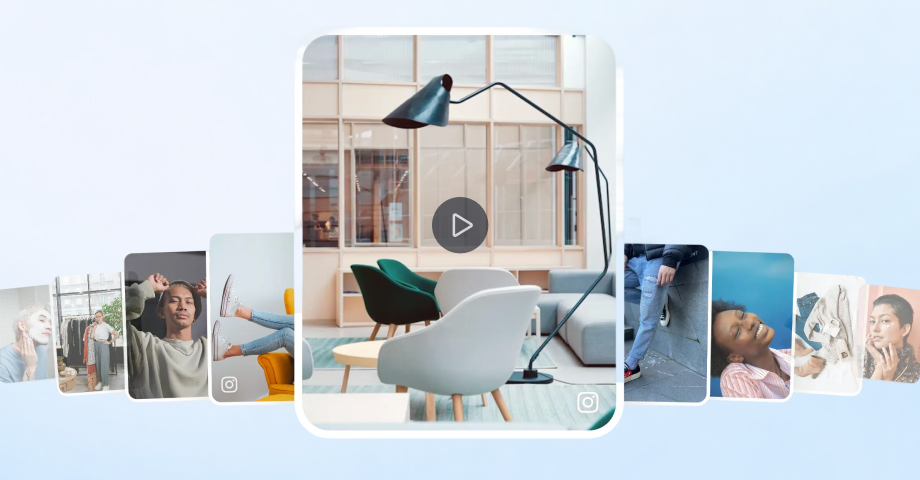
As Adam Mosseri points out when discussing the challenges AI brings to social media, trust becomes the defining advantage. In a world of infinite abundance and infinite doubt, creators and brands that stand out are those that signal authenticity by being real, transparent, and consistent.
“In a world of infinite abundance and infinite doubt, the creators who can maintain trust and signal authenticity—by being real, transparent, and consistent—will stand out.”
Adam Mosseri, Head of Instagram – Source
This shift changes how brands should think about tools in 2026. Winning is no longer about producing more content, but about enabling real voices—your own and your customers’. Brands that inspire people to talk about their products and share genuine experiences create a level of credibility that AI-generated content can’t replicate.
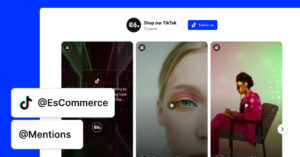
Executing on this strategy requires the right infrastructure. For larger brands, especially, it becomes essential to monitor and collect videos where people mention, tag, or talk about your brand, and then amplify that content beyond social media.
Tools like EmbedSocial support this approach by collecting UGC video mentions, hashtags, and tagged content from social platforms and syncing them in real time. These authentic videos can then be embedded across ecommerce stores, apps, and landing pages, turning real customer experiences into a scalable, trust-driven content engine.
Getting started with social media videos
Ready to put these video ideas into action and watch your brand shine in 2026?
Whether you’re excited to showcase your team’s behind-the-scenes magic, tap into the power of customer stories, or track your video performance with smart analytics, you don’t have to do it alone.
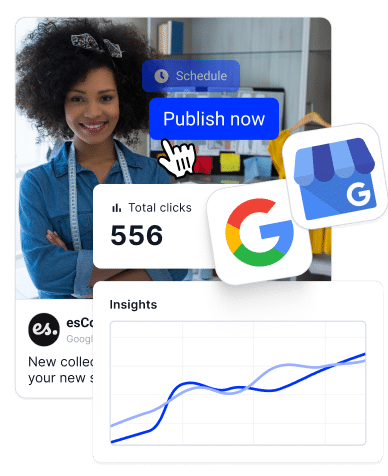
With EmbedSocial, you can easily collect user-generated content, embed eye-catching social videos and reviews on your site, and keep up with trends—all in one place.
Why not see how these strategies feel in real life? Start free trial and let your brand grow with real social videos.
FAQs about social media video ideas
How do you create social media content that doesn’t feel cringe or forced?
Focus on showing process, skill, or perspective instead of asking for attention. Content that teaches, demonstrates, or documents naturally attracts interest without begging for streams, likes, or validation.
How do you come up with video ideas for a small business or product?
Start with what customers already ask you, struggle with, or misunderstand. Turning real questions into short videos removes the pressure to “be creative” and makes your content instantly useful.
What are some low-budget social media video ideas that still work?
Simple formats outperform polish: screen recordings, talking-head explanations, demos, and quick walkthroughs. Consistency and clarity matter far more than high-end production or editing.
What kind of content should a videography business post regularly?
Post what you know, not just what you shoot. Share tips, breakdowns, before-and-after edits, client lessons, and decision-making processes to stay active even when projects are limited.
Where do most marketers get ideas for social media content?
The best ideas come from existing demand: comments, reviews, competitor content, trending formats, and recurring customer questions. Social platforms themselves are idea engines if you observe patterns instead of chasing novelty.
How do you present short-form video ideas to clients or teams?
Package ideas as clear concepts, not scripts. A simple format—hook, scenario, punchline or payoff—helps clients quickly visualize the video without overexplaining execution details.